Podric logo
Podcast
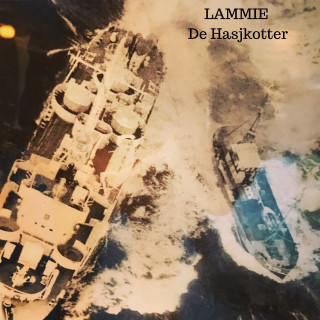
Podcast LAMMIE, De Hasjkotter (verbeterde versie 2024)

LAMMIE, De Hasjkotter (verbeterde versie 2024)

Rik Bouman

Doorzoek met AI de inhoud van alle afleveringen van LAMMIE, De Hasjkotter (verbeterde versie 2024) en spring direct naar het juiste fragment.

**Show Notes:** **Duik in "Lammie de Hasjkotter",** de podcast die het meest gedurfde avontuur in de smokkelgeschiedenis ontrafelt. In maart 1974 zet de HD 160, alias Lammie, koers naar Libanon, met aan boord een bemanning van kleurrijke personages, elk met hun eigen geheimen en motieven. **Voordat Lammie de haven verlaat,** gonst het al van de geruchten. Wie wist er van deze riskante onderneming? De reis naar Libanon is allesbehalve gewoon, vol bizarre wendingen en tegenslagen. Maar het is de terugreis die de geschiedenisboeken haalt: een zenuwslopende achtervolging op volle zee door marine, douane en rijkspolitie te water. **En dan, plotseling, verdwijnt Lammie van de radar.** Wat is er gebeurd? Deze podcast duikt diep in het verhaal dat niet alleen een spannend zeeverhaal is, maar ook gezien wordt als het begin van grootschalige politieacties tegen drugssmokkel. **Hashtags:** #LammieDeHasjkotter #SmokkelLegenden #ZeeAvonturen #DrugssmokkelGeschiedenis #VerdwenenOpZee #PolitieactiesTegenDrugs

Lees meer

Afleveringen

Podcast: Derde Ronde van Los Angeles van 1932 tot 2028: Deel 45: De rijke geschiedenis van estafettes in de Olympische Spelen, van medailles tot innovaties en de impact op Nederlandse atleten.

Derde Ronde van Los Angeles van 1932 tot 2028: Deel 45: De rijke geschiedenis van estafettes in de Olympische Spelen, van medailles tot innovaties en de impact op Nederlandse atleten.

De rijke geschiedenis van estafettes in de Olympische Spelen, van medailles tot innovaties en de impact op Nederlandse atleten.The primary focus of this podcast episode revolves around the historical evolution and significance of relay races in Olympic competitions. We delve into the origins of the relay event, tracing its inception back to the University of Pennsylvania in 1893, and its subsequent formal introduction in Olympic history starting from the swimming events in 1904 and the track events in 1908. Notably, we examine the impressive achievements of the Netherlands in relay events, which have culminated in a total of 19 medals across both summer and winter Olympic Games. Furthermore, we explore the gradual inclusion of women's relay events, highlighting the disparities in their recognition and opportunities throughout Olympic history. This episode serves to illuminate the intricacies of relay races, their impact on national pride, and the ongoing innovations that continue to shape these exhilarating competitions.Takeaways:The history of relay races is rich and dates back to the early 20th century.The introduction of the relay format was aimed at making athletic competitions more engaging.In the 2028 Olympics, a mixed relay event will debut, highlighting gender equality in sports.The Netherlands has achieved significant success in relay events, securing many medals over the years.Historically, women's participation in relay events lagged behind men, reflecting societal changes over time.The evolution of relay events has made them a critical component of Olympic competitions, showcasing teamwork.
Podcast: Derde Ronde van Los Angeles van 1932 tot 2028: Deel 43: Ellen van Langen en Femke Bol hebben na 36 jaar samen het Nederlands record op de 800 meter.

Derde Ronde van Los Angeles van 1932 tot 2028: Deel 43: Ellen van Langen en Femke Bol hebben na 36 jaar samen het Nederlands record op de 800 meter.

This podcast episode delves into the recent developments in athletics, particularly the notable performance of Dutch athlete Foppe during the 10,000 meters at the European Championships. We examine the circumstances surrounding Foppe's decision to withdraw from the race, despite being positioned among the leaders, and the implications of such a choice on both his career and the broader context of Dutch athletics. Furthermore, we draw parallels to historical instances, including the experience of Anilis Joseph at the 1972 Olympics, to elucidate the psychological and competitive pressures faced by athletes at this elite level. The discussion also extends to the impressive achievements of contemporary athletes, including Femke Bol, who has made remarkable strides in her transition from the 400 meters to the 800 meters. This episode encapsulates the intricate dynamics of competitive athletics, highlighting both individual struggles and collective triumphs within the sport.The podcast delves into a detailed analysis of recent athletic events, particularly focusing on the European Championships in athletics. The speakers critically examine the performance of Dutch athletes, highlighting the intense competition and the implications of their results. A significant portion of the discussion centers around the 10,000-meter race, where a Dutch athlete named Foppe made the controversial decision to withdraw from the race despite being in a competitive position. This decision raises questions about mental fortitude and the pressures athletes face during high-stakes competitions. The speakers reflect on the psychological aspects of competing at such a level, noting how the mind can influence performance outcomes just as significantly as physical abilities. Additionally, they draw parallels between Foppe's experience and historical instances of athletes withdrawing from events, providing a broader context to the pressures of elite competition. In a juxtaposition of past and present, the podcast offers insights into the legacy of Dutch athletics, particularly through the lens of Ellen van Langen, a celebrated athlete who won gold in the 800 meters at the 1992 Olympics. The speakers recount her remarkable journey, emphasizing her strategic approach to racing and the mental resilience that characterized her performance. They draw connections between her era and the current crop of athletes, including Femke Bol, who is making waves in the 800 meters after transitioning from hurdles. The discussion underscores the evolution of athletics, showcasing how contemporary athletes are building on the foundations laid by their predecessors. The speakers appreciate the enduring nature of records and achievements in athletics, noting how they serve as benchmarks for future generations while simultaneously fostering a sense of pride and continuity in Dutch sports culture. The podcast delves into a detailed analysis of recent athletic events, particularly focusing on the European Championships in athletics. The speakers critically examine the performance of Dutch athletes, highlighting the intense competition and the implications of their results. A significant portion of the discussion centers around the 10,000-meter race, where a Dutch athlete named Foppe made the controversial decision to withdraw from the race despite being in a competitive position. This decision raises questions about mental fortitude and the pressures athletes face during high-stakes competitions. The speakers reflect on the psychological aspects of competing at such a level, noting how the mind can influence performance outcomes just as significantly as physical abilities. Additionally, they draw parallels between Foppe's experience and historical instances of athletes withdrawing from events, providing a broader context to the pressures of elite competition. In a juxtaposition of past and present, the podcast offers insights into the legacy of Dutch athletics, particularly through the lens of Ellen van Langen, a celebrated athlete who won gold in the 800 meters at the 1992 Olympics. The speakers recount her remarkable journey, emphasizing her strategic approach to racing and the mental resilience that characterized her performance. They draw connections between her era and the current crop of athletes, including Femke Bol, who is making waves in the 800 meters after transitioning from hurdles. The discussion underscores the evolution of athletics, showcasing how contemporary athletes are building on the foundations laid by their predecessors. The speakers appreciate the enduring nature of records and achievements in athletics, noting how they serve as benchmarks for future generations while simultaneously fostering a sense of pride and continuity in Dutch sports culture.Takeaways:In the current episode, we discussed recent developments in athletics, particularly focusing on the European Championships.We examined the perplexing decision of a Dutch athlete to withdraw from the 10,000-meter race, which raised many questions.The historical context of athletes withdrawing from races at significant events, such as the Olympics, was also explored in detail.We highlighted the impressive achievements of current athletes, including Femke Bol and her remarkable transition from hurdles to middle-distance running.The discussion included a retrospective analysis of Ellen van Lange's 1992 Olympic victory, drawing parallels with contemporary athletes.Finally, we emphasized the importance of mental resilience in sports, as evidenced by the performances of both historical and current competitors.
Podcast: Derde Ronde van Los Angeles van 1932 tot 2028 : Deel 41: President Theodore Roosevelt en de dramatische marathon van de Olympische Spelen 1904 in St. Louis, vol uitdagingen, doping en opmerkelijke atleten.

Derde Ronde van Los Angeles van 1932 tot 2028 : Deel 41: President Theodore Roosevelt en de dramatische marathon van de Olympische Spelen 1904 in St. Louis, vol uitdagingen, doping en opmerkelijke atleten.

The discourse centers on the remarkable and tumultuous history of the 1904 Olympic Marathon held in St. Louis. We delve into the intense negotiations preceding the selection of St. Louis as the host city, influenced significantly by President Theodore Roosevelt, who sought to elevate American prominence in the global arena of athletics. The episode meticulously recounts the arduous conditions faced by marathon participants, including oppressive heat, unpaved routes, and the scarcity of hydration, which collectively contributed to a harrowing experience for the athletes. Noteworthy narratives emerge from the race, including the controversial strategies employed by Thomas Hicks, the eventual winner, who resorted to stimulant use, a practice that predated modern doping regulations. Through these accounts, we illuminate the complexities and challenges of early Olympic competitions, reflecting on how they have shaped contemporary perspectives on athletic integrity and endurance.The 1904 Olympic Games, which took place in St. Louis, are marked by a complex backdrop of political negotiation and the quest for national representation on the global stage. The initial proposal for the Games to be hosted in England faced opposition, as the influential Pierre de Coubertin advocated for an American venue to enhance the international stature of the Olympics. Despite Chicago being selected as the initial choice, President Theodore Roosevelt's intervention redirected the event to St. Louis, where it coincided with a World’s Fair celebrating the Louisiana Purchase. This strategic shift not only highlights the political dimensions of the Games but also reflects the interplay between national identity and international sporting events. The controversy surrounding the race is epitomized by the figure of Thomas Hicks, whose victory was shrouded in allegations of doping. The administration of strychnine and other stimulants, which were not yet recognized as performance-enhancing drugs, raises critical questions about the ethics of sportsmanship during this period. Hicks's experience illustrates the blurred lines between enhancement and exploitation in competitive sports, setting a precedent for future discussions about athlete welfare and the integrity of athletic competition. The 1904 marathon thus serves as a microcosm of the broader evolution of the Olympic movement, encompassing themes of resilience, ethical dilemmas, and the relentless pursuit of excellence.Takeaways:The selection of St. Louis as the host city for the 1904 Olympic Games was a result of extensive negotiations and political influences.President Theodore Roosevelt played a crucial role in designating St. Louis as the city to host the Olympic Games of 1904.The marathon event of 1904 was marked by extreme conditions, including high temperatures and a challenging course that tested the endurance of the athletes.Felix Carvajal, a Cuban runner, showcased remarkable determination by arriving just in time for the race despite numerous hardships during his journey to St. Louis.The 1904 marathon witnessed dramatic incidents, including competitors collapsing and the use of dubious substances by some participants to enhance performance.Thomas Hicks's victory in the marathon was controversial, involving the administration of stimulants and resulting in significant discussions regarding doping in athletics.
Podcast: Derde Ronde van Los Angeles van 1932 tot 2028 : Deel 40: Ben je sportliefhebber dan kan 3 augustus 2024 Parijs niet meer verdwijnen!

Derde Ronde van Los Angeles van 1932 tot 2028 : Deel 40: Ben je sportliefhebber dan kan 3 augustus 2024 Parijs niet meer verdwijnen!

The focal point of this podcast episode is the remarkable performance of Femke Bol during the 2024 Olympic Games in Paris, where she delivered an iconic final sprint that secured a gold medal for the Netherlands in the mixed relay. As we examine the events of August 3rd, we reflect on the sheer astonishment experienced by both her teammates and the spectators, encapsulated by the French commentator's exclamation of "incroyable!" This extraordinary achievement not only garnered widespread acclaim across various media outlets but also rekindled discussions about the legacy of sprinting in athletics, particularly in light of the absence of figures like Usain Bolt. We also delve into the dynamics of Team NL, highlighting the contributions of athletes such as Eugene Omala and Kathleen Peters, whose performances were integral to this victory. Ultimately, Bol's journey on this day is underscored by her determination and the emotional significance of overcoming past frustrations, culminating in a moment that will be etched in Olympic history.The 2024 Olympic Games in Paris have reached a pivotal moment, as the spotlight shines on the remarkable performance of Femke Bol during the mixed relay event. The atmosphere is charged with anticipation, particularly on August 3rd, a day marked by fervent sporting enthusiasm. Bol's electrifying final sprint captivates the audience, drawing admiration and disbelief alike. Commentators and spectators alike are left astonished by her extraordinary ability, which echoes the legacy of legendary sprinter Usain Bolt. The juxtaposition of their names, differing by a mere letter, serves as a poignant reminder of the high expectations placed upon Bol as she steps into the void left by Bolt's retirement from athletics. As the race unfolds, the dynamics of Team Netherlands become evident. Bol's fellow competitors, including the talented Eugène Omala and the steadfast Lieke Klaver, contribute significantly to the team’s success. Omala, despite being relatively new to the team, demonstrates maturity and poise, guided by the experienced Lee Marvin Bonavacia, who, although sidelined due to injury, remains a vital source of motivation and encouragement. The camaraderie and spirit within the team are palpable, fostering an environment that enhances their collective performance, ultimately culminating in a historic victory for the Netherlands. Bol's triumph is not merely a personal achievement but a testament to the unwavering support and synergy among the athletes. The psychological dimensions of Bol's experience are profound. Having faced disappointment at the previous World Championships, where she narrowly missed victory, Bol's determination to overcome past failures fuels her drive on the track. The race becomes not just a contest of speed but a personal redemption arc; Bol's sprint is imbued with emotion as she channels her frustrations into a display of sheer athletic prowess. The electric atmosphere of the Stade de France, filled with cheering spectators, elevates the moment to one of unforgettable significance, thereby securing Bol's place in the annals of Olympic history. The 2024 Olympics, hosted in the illustrious city of Paris, serves as a backdrop for a defining moment in athletic history as we witness the extraordinary performance of Femke Bol in the mixed relay event. On the significant date of August 3rd, Bol's final sprint leaves spectators in awe, as she catapults Team Netherlands to victory against formidable competitors from Belgium, Great Britain, and the United States. The sheer intensity of her performance draws comparisons to the legendary Usain Bolt, a narrative that reverberates throughout media commentary, thus positioning Bol as a potential successor in the realm of sprinting excellence. The race is characterized by a compelling team dynamic, where the contributions of all members are vital. Bol's teammates, including Omala, Klaver, and Klein-Ikink, play crucial roles in setting up her decisive run. The absence of Bonavacia, due to injury, underscores the challenges faced by the team, yet his presence as a mentor during the event illustrates the depth of their collective spirit. The encouragement Bol receives from her teammates, particularly in the heat of competition, emphasizes the importance of teamwork in achieving success at such a high level. Bol's journey is further complicated by her prior disappointments, notably at the last World Championships. Her determination to rectify past mistakes propels her forward, transforming her race into a personal quest for validation. This psychological aspect adds layers to her performance, as she navigates the pressures of expectation and the desire for redemption, ultimately translating her internal struggles into a remarkable athletic feat. The collective triumph of Team Netherlands resonates beyond the confines of sport, representing perseverance, resilience, and the indomitable human spirit.Takeaways:The 2024 Olympic Games in Paris represent a significant event for sports enthusiasts worldwide.Femke Bol's extraordinary final sprint captivated audiences and garnered widespread acclaim across media platforms.The mixed relay victory of Team NL showcased exceptional athleticism and teamwork, highlighting their collective effort.The absence of Lee Marvin Bonavacia due to injury raised concerns about Team NL's chances in the competition.Femke Bol's previous frustrations with her performance at the World Championships have fueled her motivation for success.The electrifying atmosphere in the Stade de France during Bol's race created an unforgettable experience for all attendees.Companies mentioned in this episode:Team NLDe GuardianNOSEurosport

Podcast: Derde Ronde van Los Angeles van 1932 tot 2028: Deel 39: De historische impact van de Olympische voetbalfinale 1936 in Berlijn en wat is het verhaal van Matthias Sindelar?

Derde Ronde van Los Angeles van 1932 tot 2028: Deel 39: De historische impact van de Olympische voetbalfinale 1936 in Berlijn en wat is het verhaal van Matthias Sindelar?

The 1936 Olympic football final in Berlin transcended the realm of mere sport, embodying the intricate interplay between athletics and political propaganda. This episode delves into the monumental significance of that match, highlighting how it served as a narrative of an era on the brink of turmoil. With Adolf Hitler and Benito Mussolini employing sport as a vehicle for nationalistic fervor, the final between Austria and Italy became emblematic of competing ideologies and national identities. As we recount the tournament's context, we explore how Austria, favored for its artistic playing style, faced unexpected challenges amid the rising shadows of fascism. Ultimately, the match, culminating in Italy's victory, foreshadowed the profound geopolitical shifts that would forever alter the landscape of Europe, marking a poignant farewell to an independent Austria in the annals of sports history.The Olympic football final of 1936, held in Berlin, was an event that represented much more than a mere sporting contest; it was a reflection of the tumultuous historical context of its time. As I delve into this significant event, I am transported to that sultry August day when the Olympic Stadium was a hive of activity, with 90,000 spectators gathered, flags billowing, and military bands filling the air with martial music. The atmosphere was charged with anticipation, amplified by the presence of Adolf Hitler, who, seated in the honor box, signified the political machinations intertwined with this athletic spectacle. At that moment, the world bore witness to a critical juncture in Olympic history, where the quest for gold was emblematic of national pride and power. Understanding the implications of this final necessitates a retrospective glance at the political landscape of Germany in 1936. Following his rise to power three years prior, Hitler had recognized the profound potential of sport as a means of propaganda. The Berlin Games were meticulously orchestrated to present Germany as a formidable, modern nation, with a focus on creating an impactful and memorable experience for the international community. Yet, the unpredictable nature of sport would prove to be a formidable adversary to Hitler's aspirations. Germany's unexpected loss to Norway in the quarter-finals—an event that transpired before the eyes of a visibly incensed Hitler—shattered the carefully crafted narrative of German supremacy, setting the stage for the climactic showdown between Austria and Italy in the final. The final itself was a microcosm of the broader political tensions of the time, representing not only a struggle for athletic glory but also an ideological confrontation between fascist regimes. Austria, with its renowned 'Wunderteam', was favored to claim victory, yet Italy's disciplined and strategic approach to the game ultimately triumphed. The match ended in a 2-1 victory for Italy, a result that resonated far beyond the pitch, symbolizing the fragility of national identities in an era of escalating fascism. This final was to be one of the last significant international appearances of an independent Austria before its annexation by Germany, rendering the outcome a poignant reminder of a nation on the brink of erasure. The implications of this match would reverberate through history, as it encapsulated a moment before the storm of World War II, illustrating how sport intersected with the forces of political upheaval and national identity.Takeaways:The 1936 Olympic football final in Berlin transcended mere sport, symbolizing political tensions and international relations.Adolf Hitler's presence at the final illustrated the intersection of sport and propaganda during the Nazi regime.Austria's football team, known for their artistic playing style, faced Italy amidst rising political pressures in Europe.The unexpected defeat of Germany by Norway in the quarterfinals was a significant moment for Hitler's ambitions in sports.The final match between Austria and Italy was not merely a competition but a reflection of fascist ideologies.In retrospect, the 1936 final represented one of the last international showcases of independent Austria before its annexation.Companies mentioned in this episode:Adolf HitlerOostenrijkItaliëBenito Mussolini
Podcast: Derde Ronde van Los Angeles van 1932 tot 2028: Deel 38: Wat was er aan de hand met de sportschoenen van Lasse Viren, de 5 en 10 kilometer specialist uit Finland!

Derde Ronde van Los Angeles van 1932 tot 2028: Deel 38: Wat was er aan de hand met de sportschoenen van Lasse Viren, de 5 en 10 kilometer specialist uit Finland!

Lasse Vieren, een iconische naam in de Olympische geschiedenis, staat centraal in deze aflevering. Wij bespreken zijn opmerkelijke prestaties tijdens de Olympische Spelen van München in 1972 en Montreal in 1976, waarbij hij zowel de 10.000 als de 5.000 meter won. Vieren's legendarische val tijdens de finale van de 10.000 meter, gevolgd door zijn terugkeer en overwinning in wereldrecordtijd, illustreert de veerkracht en vastberadenheid van een atleet. Bovendien worden de controverses rondom zijn prestaties en beschuldigingen van bloeddoping belicht, waarbij zijn onmiskenbare talent en de context van zijn successen worden geanalyseerd. Deze aflevering biedt niet alleen een diepgaande verkenning van Vieren's atletische erfenis, maar ook een reflectie op de bredere implicaties van integriteit in de sport. The illustrious career of Lasse Vieren, an athlete who transcended the boundaries of distance running, is at the forefront of this discussion. Vieren's remarkable feats at the 1972 Munich and 1976 Montreal Olympics not only cemented his status as a champion but also revitalized the enduring legacy of Finland's distance running prowess. In Munich, during the 10,000-meter final, Vieren's unexpected fall could have signaled the end of his race; however, displaying remarkable resilience, he rose to reclaim his pace and ultimately triumphed, achieving a world record time of 27 minutes and 38.35 seconds. This extraordinary comeback not only highlighted his athleticism but also epitomized the spirit of determination that characterizes elite athletes. Furthermore, just ten days later, he claimed victory in the 5,000 meters, thereby reestablishing Finland's identity as a powerhouse in long-distance running, reminiscent of the legendary Flying Finns from the early 20th century. The narrative continues to evolve as we delve into Vieren's performance at the 1976 Montreal Olympics, where he replicated his success by securing gold medals in both the 5,000 and 10,000 meters. This unprecedented achievement marked him as a dual Olympic champion, a feat that has become increasingly rare in modern athletics. However, subsequent scrutiny arose around allegations of blood doping, an issue that has tainted the legacies of many athletes. Despite the absence of definitive proof against Vieren, the whispers of suspicion surrounding his training methods lingered, casting a shadow over his accomplishments. Notably, the conversation extends to how the perception of athletic integrity has shifted over time, particularly regarding the rigorous standards expected of Olympic competitors. In concluding our exploration of Lasse Vieren's legacy, we reflect upon the dichotomy between his monumental achievements and the persistent questions regarding the ethical implications of performance-enhancing practices in sports. His eventual foray into politics and public service further adds layers to his storied life, suggesting that the journey of an athlete often extends beyond mere competition. Vieren's story serves as a profound reminder of the complexities of athleticism, the pressures of public scrutiny, and the rich tapestry of human experience that defines the world of sports. The narrative of Lasse Vieren, a name synonymous with resilience in the annals of Olympic history, unfolds through a detailed examination of his extraordinary performances at the 1972 Munich and 1976 Montreal Olympics. Vieren's ascent to prominence is marked by his remarkable achievements in the 10,000 meters, where he not only faced physical challenges but also overcame the psychological barriers that accompany elite competition. His notable fall during the Munich final could have been a defining moment of defeat; however, his ability to recover and finish with a world record time is emblematic of the tenacity that characterizes elite athletes. This moment transcends mere athleticism, serving as a narrative of hope and determination that resonated deeply within the Finnish national identity and rekindled the mythos of the Flying Finns. Further exploration of Vieren's career reveals his triumphs in Montreal, where he once again showcased his dominance by claiming gold in both the 5,000 and 10,000 meters. This unprecedented achievement positions him as a figure of dual excellence, a rarity in the contemporary landscape of athletics. However, this narrative is not without its complexities; the allegations of blood doping that surfaced post-Montreal have cast a pall over his legacy. The dialogue surrounding these accusations invites a broader reflection on the ethical implications of performance enhancement in sports, as well as the pressures that athletes face in their pursuit of greatness. The historical context of these discussions, particularly concerning the Scandinavian doping practices, adds to the intrigue of Vieren's story and challenges the notion of uncompromised athletic integrity. In conclusion, Lasse Vieren's legacy is a multifaceted tapestry woven with threads of triumph, controversy, and resilience. His later endeavors in public service illustrate a life that extends beyond the realm of athletics, suggesting that the journey of an athlete often intertwines with broader societal narratives. Vieren's story serves as a reminder of the complexities inherent in the world of sports, where the pursuit of excellence is often accompanied by scrutiny and ethical dilemmas. As we reflect on his contributions to athletics and the discussions surrounding his legacy, it becomes evident that the essence of Vieren's journey embodies the spirit of perseverance amidst adversity, a narrative that continues to inspire future generations.Takeaways:In aflevering 38 bespreken we de iconische atleet Lasse Vieren en zijn prestaties.Lasse Vieren won zowel de 10.000 als de 5.000 meter op de Olympische Spelen.De opmerkelijke overwinning van Vieren in München omvatte een val en een wereldrecord.De beschuldigingen van bloeddoping hebben de erfenis van Lasse Vieren omgeven.Vieren's stoïcijnse karakter droeg bij aan zijn mythische status in de sportgeschiedenis.De focus van Vieren op de Olympische Spelen maakt hem een unieke kampioenschapsloper.Companies mentioned in this episode:Puma
Podcast: Aflevering 9: Ontdek het verhaal van de legendarische Conny van Rietschoten en de tweevoudige Whitbread Race winst met de Flyer en Flyer II. (met Gerard Dijkstra en Onne van der Wal, interviewer Erik Peekel en podcastmaker Rik Bouman)

Aflevering 9: Ontdek het verhaal van de legendarische Conny van Rietschoten en de tweevoudige Whitbread Race winst met de Flyer en Flyer II. (met Gerard Dijkstra en Onne van der Wal, interviewer Erik Peekel en podcastmaker Rik Bouman)

9 juni#9 – Conny van Rietschoten en de Whitbreadraces van de Flyer I en Flyer IIGerard Dijkstra en Onne van der WalIn deze negende aflevering van Boegbeelden & Bliktrekkers staat één van de grootste prestaties uit de Nederlandse zeilgeschiedenis centraal. Presentator Erik Peekel gaat in gesprek met Gerard Dijkstra en Onne van der Wal, bemanningsleden van de legendarische Flyer I en Flyer II van Maaslid Conny van Rietschoten. Samen wonnen zij de Whitbread Round the World Race, de zwaarste oceaanzeilrace ter wereld en de voorloper van The Ocean Race.Van de voorbereidingen op de werf van Huisman en de duizenden trainingsmijlen voorafgaand aan de start tot de strijd met de Britse King's Legend en Ceramco New Zealand, en de historische overwinningen met huldiging in de Veerhaven bij De Maas. Gerard en Onne nemen je mee aan boord van twee campagnes die de internationale zeilwereld voorgoed veranderden.In deze aflevering ontdek je:• De geboorte van legendes: Hoe Conny van Rietschoten er in slaagde om tweemaal de Whitbreadrace rond de wereld te winnen, met een zeer professionelevoorbereiding en aanpak.• Leven op de oceaan: Over technische problemen, de concurrentiestrijd met CERAMCO New Zealand en de hartaanval van Conny midden op de Zuidelijke Oceaan.• De nalatenschap van Flyer: Hoe Gerard uitgroeide tot internationaal topontwerper en Onne tot één van de bekendste nautische fotografen ter wereld.Een inspirerende aflevering over oceaanzeilen, avontuur, innovatie, doorzettingsvermogen en de blijvende erfenis van Conny van Rietschoten en de Flyer-campagnes binnen De Maas.podcastmaker: Rik BoumanConny van RietschotenHuismanAedgard KoekebakkerDaniel BlosowskiFlying WilmaSeramcoKings LegendMaltese FalconStad AmsterdamThe episode centers on the illustrious accomplishments of Gerard Dijkstra and Onne van der Wal, who, alongside Conny van Rietschoten, triumphed in the Whitbread Round the World Race aboard the Flyer 2. This victory, now almost fifty years past, serves as a poignant reminder of the extraordinary challenges faced and surmounted during the race, particularly the emotional and physical trials encountered by the crew. The dialogue not only recounts the thrilling moments of the race but also delves into the celebrations that followed their return to Rotterdam, where they were met with jubilant crowds and royal acclaim. Through their reflections, we gain insight into the camaraderie that developed among the crew and the pivotal role of leadership in their success, especially during critical moments when the skipper faced health crises. Ultimately, the conversation highlights the lasting impact of their experiences on maritime endeavors and the inspiration they continue to provide for future generations of sailors.Amidst the vibrant cityscape of Rotterdam, the illustrious Sociëteit of the Koninklijke Roei- en Zeilvereniging De Maas stands as a testament to maritime heritage, having forged an indelible connection between the city and its waterways for a remarkable 175 years. In this enlightening discourse, I engage with two distinguished figures, Gerard Dijkstra and Onne van der Wal, who recount their extraordinary victory alongside Conny van Rietschoten in the Whitbread Round the World Race, a pinnacle event in the realm of ocean racing. The episode delves into the profound significance of their triumph, not merely as a sporting achievement but as a cultural milestone that resonates deeply within the fabric of Dutch maritime history. Our conversation navigates through the celebratory moments following their victory in 1982, where the jubilation was palpable along the Maas, as hundreds of spectators gathered to honor the team’s remarkable feat. Onne vividly recalls the atmosphere aboard the Flyer 2, detailing the emotional weight of sailing back to Rotterdam, where they were greeted by throngs of supporters and the royal presence of Prince Bernhard. The narrative unfolds with anecdotes of camaraderie, the challenges faced during their journey, and the ineffable joy of returning to their homeland as champions. Moreover, we explore the legacy of the Flyer series and the pioneering spirit of Conny van Rietschoten, whose ambitious vision propelled the team to unprecedented heights. The episode encapsulates not only the technical intricacies and strategic decisions that characterized their racing journey but also serves as an inspiration to future generations of sailors. The confluence of personal stories and historical significance renders this discussion a compelling homage to the enduring spirit of maritime adventure and excellence. The episode unfolds against the backdrop of the celebrated Sociëteit of the Koninklijke Roei- en Zeilvereniging De Maas in Rotterdam, a venue steeped in maritime tradition. During our discussion, I, alongside Gerard Dijkstra and Onne van der Wal, delve into the storied history of the Whitbread Round the World Race, highlighting the pivotal role that their victory in 1982 played in revitalizing Dutch interest in ocean sailing. Central to our conversation is the vibrant recollection of the festive atmosphere accompanying their return to Rotterdam post-race. The jubilation was not merely a celebration of victory but a reaffirmation of national pride in sailing, as the city welcomed its heroes upon their triumphant return. Onne shares evocative memories of the procession through the streets, the cheers of the crowd, and the honor bestowed upon them by dignitaries, all of which underline the cultural significance of their achievement. As we journey through their experiences, we also reflect on the technical challenges and strategic maneuvers that defined their race, emphasizing the collaborative effort that characterized the Flyer 2’s campaign. The legacies of both Conny van Rietschoten and the Flyer series emerge as vital threads in our narrative, illustrating how their pioneering spirit and commitment to excellence continue to inspire new generations of sailors. This episode is a heartfelt tribute to the enduring nature of maritime adventure, camaraderie, and the relentless pursuit of achievement.Takeaways:The Royal Rowing and Sailing Society De Maas has been a symbol of Rotterdam for 175 years, connecting the city with its waters in a unique manner.The Whitbread Race, considered the ultimate ocean race, saw the Flyer 2 win under the leadership of Conny van Rietschoten, marking a significant achievement in sailing history.The journey to the 1982 Whitbread Race victory was fraught with challenges, such as equipment failures, yet the crew maintained an unwavering focus on their objectives.Gerard Dijkstra's experience highlights the vital importance of ship seaworthiness and crew comfort in the design of successful sailing vessels throughout his career.The camaraderie developed during the Whitbread Race has fostered lasting bonds among crew members, with many reuniting nearly fifty years later for celebrations.The significance of youth engagement in sailing, as discussed by our guests, underscores the necessity of inspiring the next generation to pursue maritime adventures and competitive sailing.
Podcast: Derde Ronde van Los Angeles van 1932 tot 2028: aflevering 37: Joop Zoetemelk en zijn wielerploeggenoten presteerden iets heel bijzonders in Mexico City (1968)

Derde Ronde van Los Angeles van 1932 tot 2028: aflevering 37: Joop Zoetemelk en zijn wielerploeggenoten presteerden iets heel bijzonders in Mexico City (1968)

The primary focus of this podcast episode is the remarkable achievement of the Dutch cycling team during the 1968 Olympic Games in Mexico City, where they secured a gold medal in the team time trial. We delve into the composition of the team, which featured notable cyclists such as Joop Zoetemelk, Fedor Den Hertog, Jan Krekels, and René Pijnen, each possessing unique attributes that contributed to their success. Throughout the episode, we examine the rigorous preparations and challenges faced by the athletes, including health issues and the grueling conditions of the Mexican terrain. Furthermore, we reflect on the varying trajectories of each cyclist's career, highlighting the contrasts between their immediate success and long-term achievements in the sport. This exploration not only commemorates a historic moment in Dutch cycling but also serves as a poignant reminder of the diverse paths athletes may traverse following their peak performances. The discussion revolves around the remarkable achievements of the Dutch cycling team during the 1968 Olympic Games held in Mexico City, particularly focusing on the team time trial event. The episode meticulously examines the composition of the Dutch team, comprising Fedor Den Hettog, Jan Krekels, René Pijnen, and the illustrious Joop Soetemelk. Each cyclist brought distinct qualities to the table, which, when synergized, culminated in a historic gold medal win for the Netherlands. The hosts articulate the challenges faced by the team leading up to the event, including adverse weather conditions and health issues among the athletes. Despite these setbacks, the team's perseverance and strategic collaboration enabled them to secure victory, emphasizing the significance of mental resilience in competitive sports. Furthermore, the narrative delves into the individual trajectories of the cyclists post-Olympics, illustrating how their careers diverged, thereby enriching the overarching narrative of the team's legacy.Takeaways:In de aflevering bespreken we de opmerkelijke prestaties van het Nederlandse wielerteam tijdens de Olympische Spelen van 1968.Het team bestond uit vier unieke renners, elk met verschillende profielen en toekomstperspectieven in de wielersport.Joop Zoetemelk, de meest succesvolle renner van de groep, zou later een legendarische carrière opbouwen.Fedor Den Hertog, bekend om zijn natuurtalent, beleefde een carrière die zowel succes als gemiste kansen met zich meebracht.Jan Krekels behaalde Olympisch goud, maar zijn carrière bleek minder indrukwekkend dan verwacht na die overwinning.René Pijnen vond zijn grootste successen op de baan, wat zijn carrière een verrassend pad gaf naast zijn teamgenoten.Companies mentioned in this episode:Joop ZoetemelkFedor Den HertogJan KrekelsRené PijnenGerbe KarstensEef DolmanJan PietersenBart SoetSadekou
Podcast: Derde Ronde van Los Angeles van 1932 tot 2028: Deel 36: Het mirakel van Parijs 2024: Worthy de Jong!

Derde Ronde van Los Angeles van 1932 tot 2028: Deel 36: Het mirakel van Parijs 2024: Worthy de Jong!

The central theme of this podcast episode revolves around the remarkable achievement of the Dutch 3x3 basketball team, culminating in their historic victory at the Paris Olympics. We explore the intense finale, wherein Bertie de Jong executed a crucial buzzer-beater, securing gold for the Netherlands against the formidable French team. This moment not only signifies a pivotal shift in Dutch basketball history but also illustrates the evolution of 3x3 basketball from a street sport to an Olympic discipline. We delve into the backgrounds of the players, their arduous journey to qualification, and the significance of their triumph against the backdrop of competitive international sports. Ultimately, we celebrate the extraordinary narrative of resilience and excellence embodied by Worthy de Jong and his teammates, heralding a new era for basketball in the Netherlands. Entitled 'Het Mirakel van Parijs', this episode profoundly examines the extraordinary achievement of the Dutch 3x3 basketball team at the 2024 Summer Olympics, specifically focusing on the defining moment of their gold medal victory. The discussion captures the electric atmosphere of the final match held on August 10, 2024, where the Dutch team faced the host nation, France. The episode recounts the climactic finish, highlighting Bertie de Jong's pivotal buzzer-beater, which not only secured the victory but also marked a historic moment for Dutch sports, a nation that had long been an underdog in the realm of basketball. The speakers delve into the historical context of 3x3 basketball, tracing its evolution from a street game to its Olympic debut in 2020. They articulate how this variant of basketball has provided opportunities for experienced players such as de Jong, transforming the landscape of Dutch basketball and allowing for greater representation on the world stage. The conversation reflects on the cultural significance of this Olympic victory, illustrating how it serves as a beacon of hope and inspiration for future generations, challenging the long-standing perception of basketball in the Netherlands as a secondary sport. In closing, the episode thoughtfully considers the legacy of this triumph, with de Jong positioned as a role model for aspiring athletes. His journey from the local courts in Amsterdam to Olympic champion symbolizes the potential for greatness that exists within the sport. The speakers express their anticipation for the impact this victory will have on youth engagement in basketball, ultimately fostering a deeper appreciation and participation in a sport that has just begun to find its footing in Dutch culture.Takeaways:The episode extensively discusses the triumph of the Dutch 3x3 basketball team at the Olympic Games in Paris, marking a significant moment in the nation's sports history.Worthy de Jong's pivotal role in securing the gold medal through a buzzer-beater shot highlights his extraordinary talent and determination during the final match.The evolution of 3x3 basketball from street play to an Olympic sport illustrates the dynamic changes within the realm of competitive basketball.The podcast reflects on the historical context of Dutch basketball, emphasizing how the team's success was once deemed an unattainable dream for many athletes in the country.Listeners are provided with insights into the rigorous training and qualifications required for the Dutch team to compete at the Olympic level, showcasing their dedication and perseverance.The episode concludes with a discussion on the potential impact of athletes like Worthy de Jong on the future of basketball in the Netherlands, inspiring the next generation of players.Companies mentioned in this episode:CNNZZ LeidenBoulogne-sur-MerAmsterdam
Podcast: Aflevering 8 - Roeien van New York naar Rotterdam (met Maarten Staarink en Jaap Koomen, interviewer Erik Peekel en podcastmaker Rik Bouman)

Aflevering 8 - Roeien van New York naar Rotterdam (met Maarten Staarink en Jaap Koomen, interviewer Erik Peekel en podcastmaker Rik Bouman)

In deze achtste aflevering van ‘Boegbeelden & Bliktrekkers’ staat een ongekend roeiersavontuur centraal. Presentator Erik Peekel gaat in gesprek met oceaanroeiers Maarten Staarink en Jaap Koomen, twee van de vier studievrienden die als The Ocean Fours de Atlantische Oceaan overstaken.In 2005 roeiden zij met zijn vieren in een roeiboot van New York naar Rotterdam, met als eindpunt de Veerhaven, pal voor de sociëteit van Koninklijke Roei- en Zeilvereeniging De Maas.In deze aflevering ontdek je:De ultieme uitdaging: Waarom vier studenten het 100 jaar oude record van twee Noorse vissers wilden verbreken.Leven in een strak regime: De fysieke en mentale tol van een twee-om-twee uur schema en het gebrek aan slaapruimte tijdens een tocht van meer dan zestig dagen.De aankomst: Het emotionele weerzien in de Veerhaven en de blijvende plek die hun boot nu heeft in de geschiedenis van De Maas.Een inspirerend verhaal over oceaanroeien, avontuur, vriendschap, doorzettingsvermogen en de tijdloze aantrekkingskracht van het water — een krachtig slot van 175 jaar De Maas.Podcastmaker Rik BoumanThe core of this podcast episode revolves around the remarkable journey undertaken by four university friends who rowed from New York to Rotterdam, an endeavor that encapsulated not only physical endurance but also profound camaraderie. Over the span of sixty days, they navigated the Atlantic Ocean, culminating in a triumphant return to the Veerhaven, where they were greeted by a throng of supporters, friends, and family. As I engage in conversation with Jaap Komen and Maarten Staring, I delve into the intricacies of their preparation, the rigors they faced during their voyage, and the emotional tapestry woven throughout their experience. Through their reflections, we explore the unyielding determination that propelled them forward, the challenges they encountered, and the lessons learned that extend far beyond the realm of rowing. This episode serves as a testament to the indomitable spirit of adventure and the bonds forged through shared aspirations and trials.Situated in the very heart of Rotterdam, the Royal Rowing and Sailing Society de Maas stands as a testament to the enduring connection between the city and its waterways. Celebrated for its illustrious history spanning 175 years, this society serves as a gathering place for prominent figures and enthusiasts alike. In this enlightening podcast episode, I engage in a profound dialogue with Jaap Komen and Maarten Staring, two intrepid adventurers who, in 2005, undertook the formidable challenge of rowing from New York to Rotterdam. Their journey, which culminated in the Veerhaven after sixty days, sixteen hours, and nineteen minutes, is recounted with vivid detail and emotional resonance. The triumphant arrival was marked by a sea of supporters, family, and friends, all eager to celebrate their extraordinary feat. Jaap poignantly reflects on the mixed emotions of returning home, embodying both a sense of accomplishment and personal loss, as he acknowledges the end of a relationship during the expedition. This narrative not only encapsulates the exhilarating highs of their journey but also delves into the complexities of human experience when faced with monumental challenges. I invite you to join us as we explore the intricacies of their preparations, the psychological toll of such an undertaking, and the lessons learned along the way, culminating in a celebration at the Society of the Maas, a place that has become synonymous with their adventure. The episode unfolds further as we delve into the genesis of their ambitious plan to row across the Atlantic. Initially sparked during their student days, Jaap and Maarten's idea quickly gained momentum as they shared it with peers Gijs and Robert, eventually transforming a whimsical notion into a meticulously organized endeavor. The journey toward securing sponsorship and establishing credibility was fraught with challenges, particularly given their lack of rowing experience. I am fascinated by their strategic approach to overcoming this hurdle, which involved assembling a committee of esteemed patrons to lend credibility to their mission, showcasing the importance of networking and support in achieving seemingly impossible goals. As we discuss their rigorous training regimen at the rowing club SCADI, the dedication and resilience required to transform four inexperienced students into competent rowers become evident. This segment of the conversation underscores the theme of perseverance and collaboration, illustrating how collective effort can lead to extraordinary achievements against the backdrop of personal and professional growth.Takeaways:The Royal Rowing and Sailing Society de Maas has celebrated 175 years of connecting the city of Rotterdam with the waterways.In 2005, the four friends embarked on a remarkable journey, rowing from New York to Rotterdam in an impressive sixty days and nineteen hours.Upon their arrival, the emotional reunion with family and friends at the Veerhaven exemplified the significance of their adventure and its impact on their lives.The rigorous preparation for the expedition involved extensive training, sponsorship acquisition, and the development of a safety plan, demonstrating the importance of thorough planning.Despite their efforts, the team was unable to break the historical record set by Norwegian fishermen in 1896, a testament to the unpredictable nature of oceanic conditions.The journey fostered profound friendships among the participants, emphasizing that shared experiences can significantly strengthen bonds, as illustrated by their enduring camaraderie.Companies mentioned in this episode:VopakHotel New YorkEndemolBrouw BlackstoneOcean ForceBeauty Global Challenge
v. 2026.01.23